Oceanside’s Beaches Are Disappearing
Its Your Beach - Let’s Save It!
Oceanside’s shoreline is losing sand faster than it can naturally replace it. What used to be wide, usable beaches are now shrinking, and in some areas, gone entirely. This isn’t just a natural cycle. It’s the result of decades of human intervention, combined with powerful coastal forces.
The problem is clear. The solution is possible. What’s missing is action.
The cause
Why Are Oceanside’s Beaches Disappearing?
Oceanside sits on a naturally eroding coastline. That alone isn’t the issue. The real problem is that the systems that once replaced lost sand have been disrupted. There are 3 main causes.
Sand Supply Has Been Cut Off
Rivers that once carried sand to the coast have been dammed and redirected. The San Luis Rey River no longer delivers the sediment it once did.
Coastal Development Blocks Natural Replenishment
Seawalls, rock barriers, and development prevent cliffs from contributing sand. Harbor infrastructure interrupts natural sand movement along the coast.
The Ocean Is Constantly Taking Sand Away
Waves, tides, and storms move sand south or out to deep ocean canyons. Most of that sand never returns.
Bottom Line
The natural “sand in vs. sand out” balance is broken.
How does that affect Oceanside?
The Effect
What Happens When the Sand Is Gone?
This is no longer just an environmental issue. It’s a public safety, economic, and community problem. When beaches lose sand, the impact goes far beyond appearance. It affects how the coastline functions, how people access it, and how safe it is. These changes are already happening in Oceanside and will continue without intervention.
Beaches Become Unusable
As sand disappears, large sections of Oceanside’s shoreline shrink or vanish entirely. What were once wide, walkable beaches are reduced to narrow strips or replaced by rock barriers, limiting how residents and visitors can use and enjoy the coast.
The Community Loses Access
Beaches are one of the few free, open spaces available to everyone. As they disappear, so does equitable access to the coastline. Residents lose a shared public resource that supports recreation, mental well-being, and community identity.
Public Safety Is Compromised
Without stable, sandy terrain, lifeguards and first responders lose critical access. Rescue vehicles can no longer travel efficiently along the beach, and emergency response times increase as crews are forced to navigate unsafe or obstructed areas.
Property and Infrastructure Are at Risk
With less sand acting as a natural buffer, waves and storms hit closer to homes, roads, and public infrastructure. This leads to increased erosion, more frequent damage, and a growing reliance on temporary protective measures like rock revetments.
The real issue
This Is Not Just a Natural Problem, It’s a Policy Problem
Oceanside has the resources to address beach erosion.
- The city operates on a $225 million annual budget.
- Restoring beaches could cost roughly $35 per resident per year.
- By comparison, the City spends $10 million per year on homeless services ($17,000 per person)
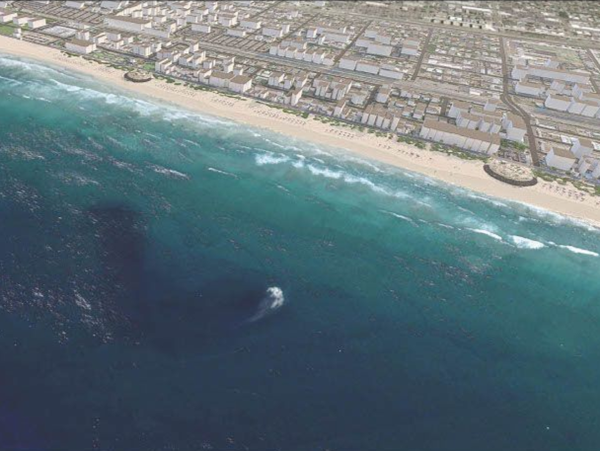
With the right funding and political will, projects like the RE:BEACH pilot (2027) and Regional Beach Sand Project III (2030) could restore 50-100 feet wide sandy beaches from the Pier to Carlsbad.
The Solution!
What Can Be Done, And What’s Already in Motion
Sand Nourishment (Short-Term Relief)
Placing sand back on the beach quickly restores width, improves access, and adds a buffer against waves and storms. It delivers immediate results but requires ongoing maintenance.
Sand Retention Systems (Long-Term Stability)
Sand can be redirected from where it builds up to where it’s needed. This helps prevent loss offshore and supports more balanced coastal conditions.
Regional Sand Management
These systems help keep sand in place after it’s added. By reducing how quickly sand washes away, they make restoration efforts last longer.
Large-Scale Restoration Projects
Projects like RE:BEACH and regional sand programs are in development. They aim to restore wider, more stable beaches across the coastline.
Ongoing Advocacy and Community Effort
Local groups are driving progress through funding efforts, research, and public awareness.
Continued involvement is key to moving these solutions forward.